
Energy use on farms
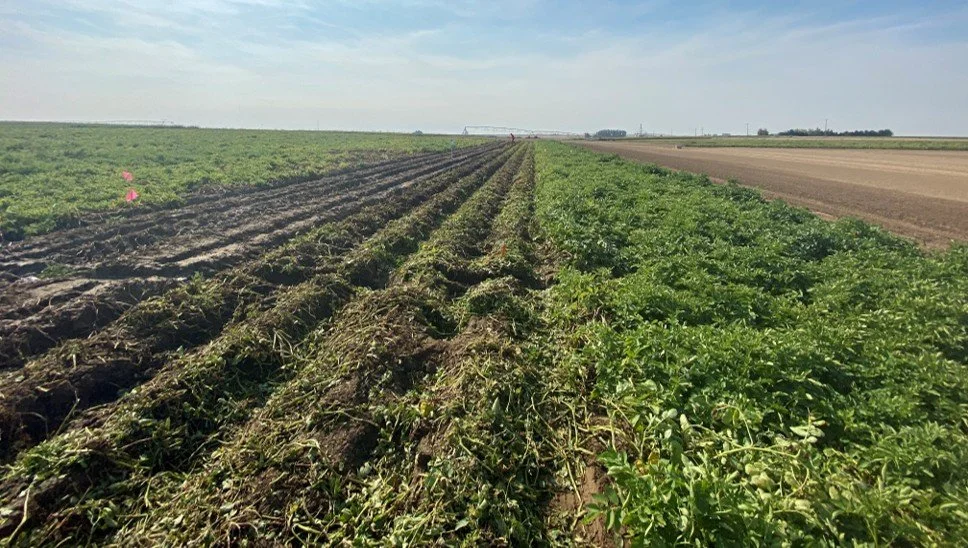
This Spotlight on Sustainability - Energy Use on Farms article in Issue 15 of PotatoLink Magazine explores costs on potato farms, highlights ways to measure it, and lists some practical solutions to optimise usage and reduce costs.

Improving Soil Health with Andrew Tempra
Andrew Tempra from Tempra Bros Pty Ltd, a grower from Manjimup, Western Australia, cultivates 35 hectares of potatoes annually, evenly split between fresh market supply and processing for French fries through WA Chip.
In Issue 15 of PotatoLink magazine, we caught up with Andrew to discuss his practices for improving soil health and potato quality on his farm.

Autonomous Technology for Weed Management
Autonomous technology will change the way we farm; and probably sooner rather than later. With efficiency and sustainability closely linked, the advantages of autonomous robots are hard to ignore. Read more in Issue 15 of PotatoLink Magazine.

101: Back to Basics: Strengthening Potato Biosecurity
By focusing on these biosecurity fundamental practices discussed in Issue 15 of PotatoLink magazine, you can minimise the risk of devastating outbreaks and ensure a sustainable future for potato production.

Nutrient Use Efficiencies at the Springbank Demonstration Site
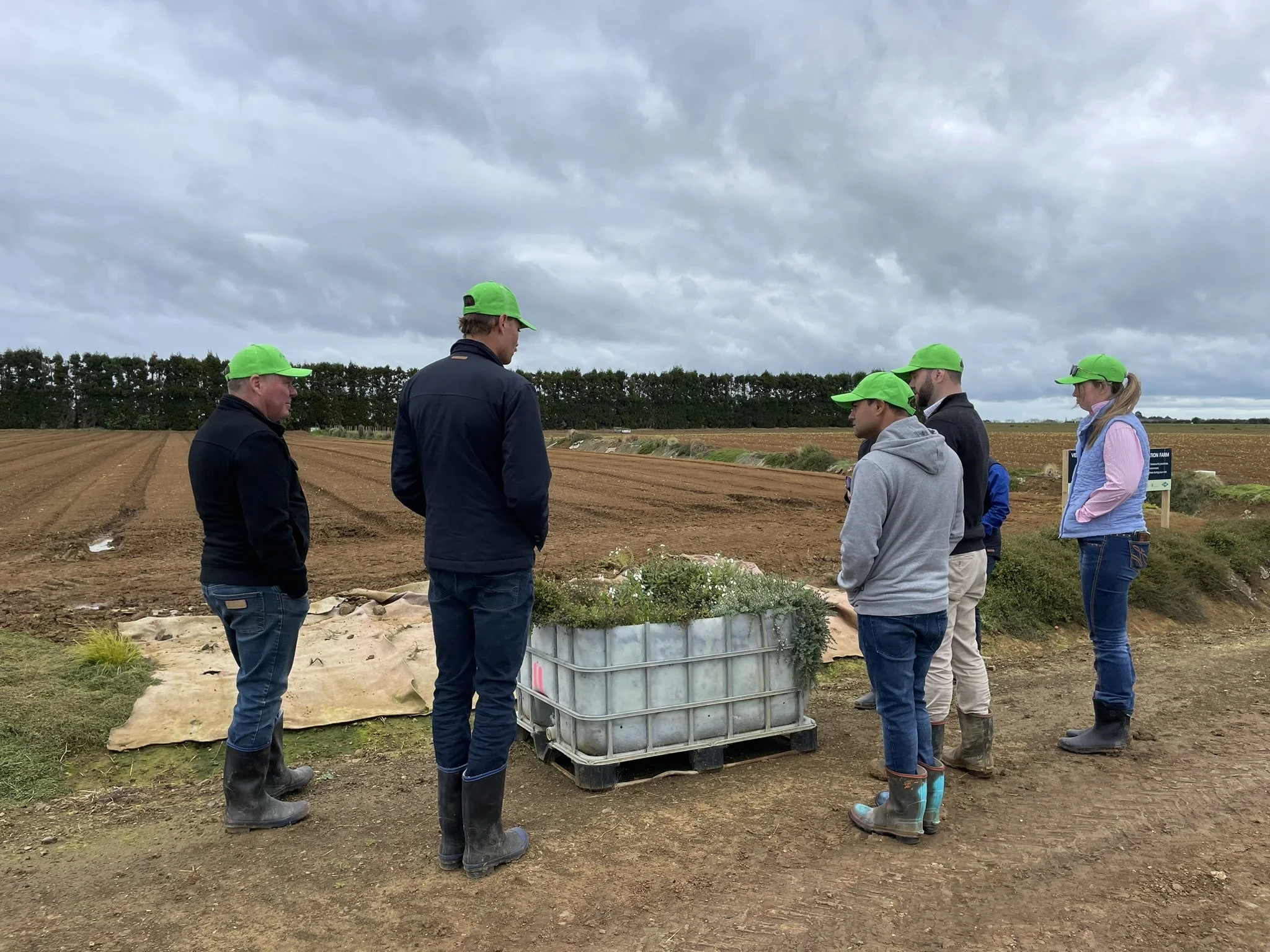
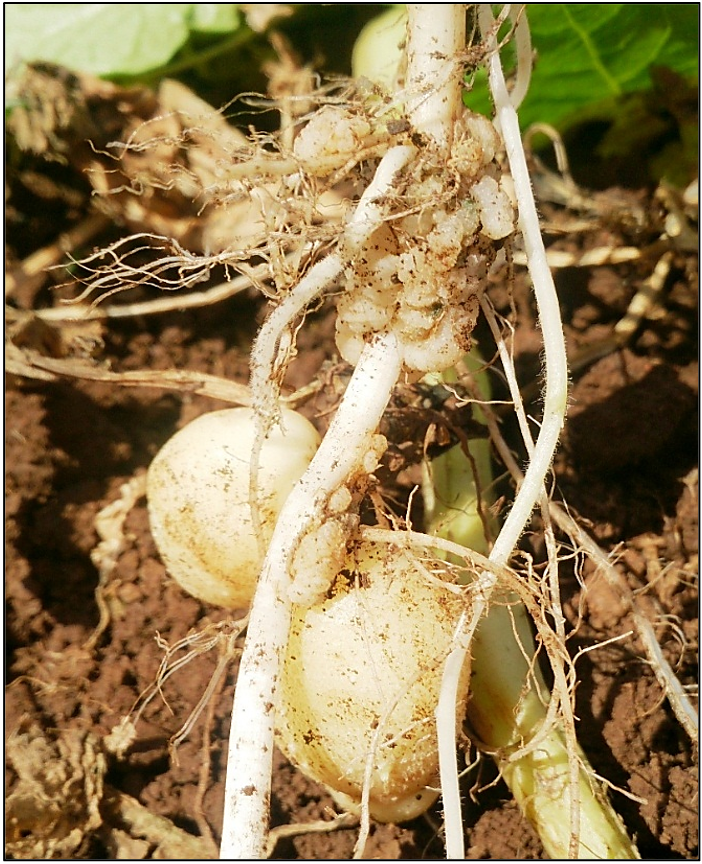
The rising cost of inputs has growers searching for ways to enhance nutrient use efficiency and understand its impact on pack-out and yield. A previous trial at the PotatoLink demonstration site in Springbank (Victoria) explored how farm practices impact the effectiveness of biologicals, including fungicide application, soil nutrient availability, and fertiliser use. The positive results from that trial, including improvements in tuber size, quantity, and specific gravity, shaped the objectives for this new trial.
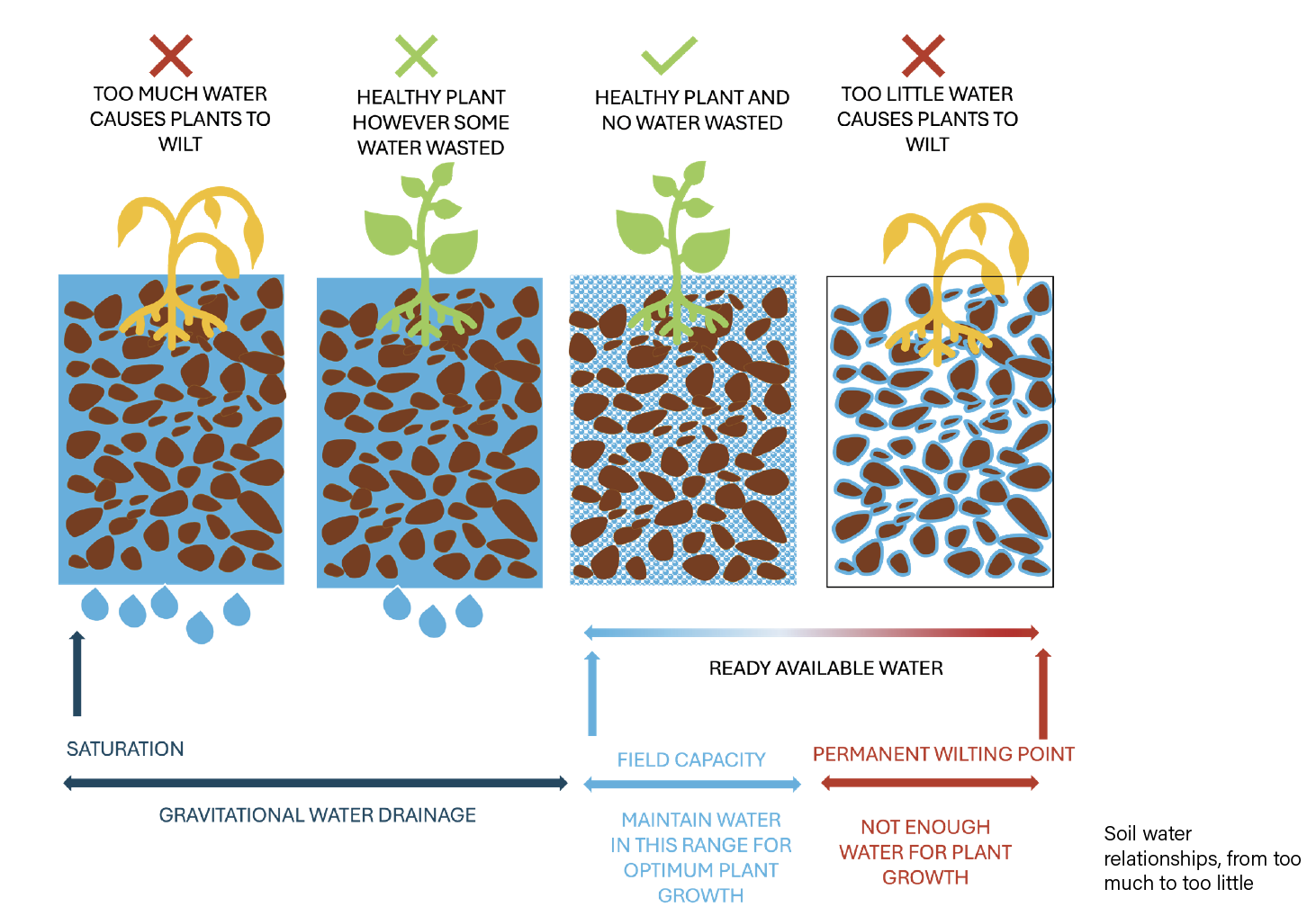
101: Managing irrigation
Growing crops in Australia is not for the faint-hearted, especially when it comes to managing water. The challenge lies in the fact that we often have either too little or too much water, and not always at the right time. Farmers cannot rely on gentle, frequent rain to replenish soil water levels; managing water for crops needs deliberate and considered intervention. Read the full article in Issue 13 of PotatoLink Magazine.

Towards reduced emissions on australian potato farms
As the global community grapples with the impacts of climate change, the horticultural sector faces mounting pressure to transition towards more sustainable practices, including reduced greenhouse gas emissions from agriculture production. In Australia, there is plenty of scope for potato farms to adopt various strategies to begin their journey to reduced emissions from production. Read the full article in Issue 13 of PotatoLink magazine.
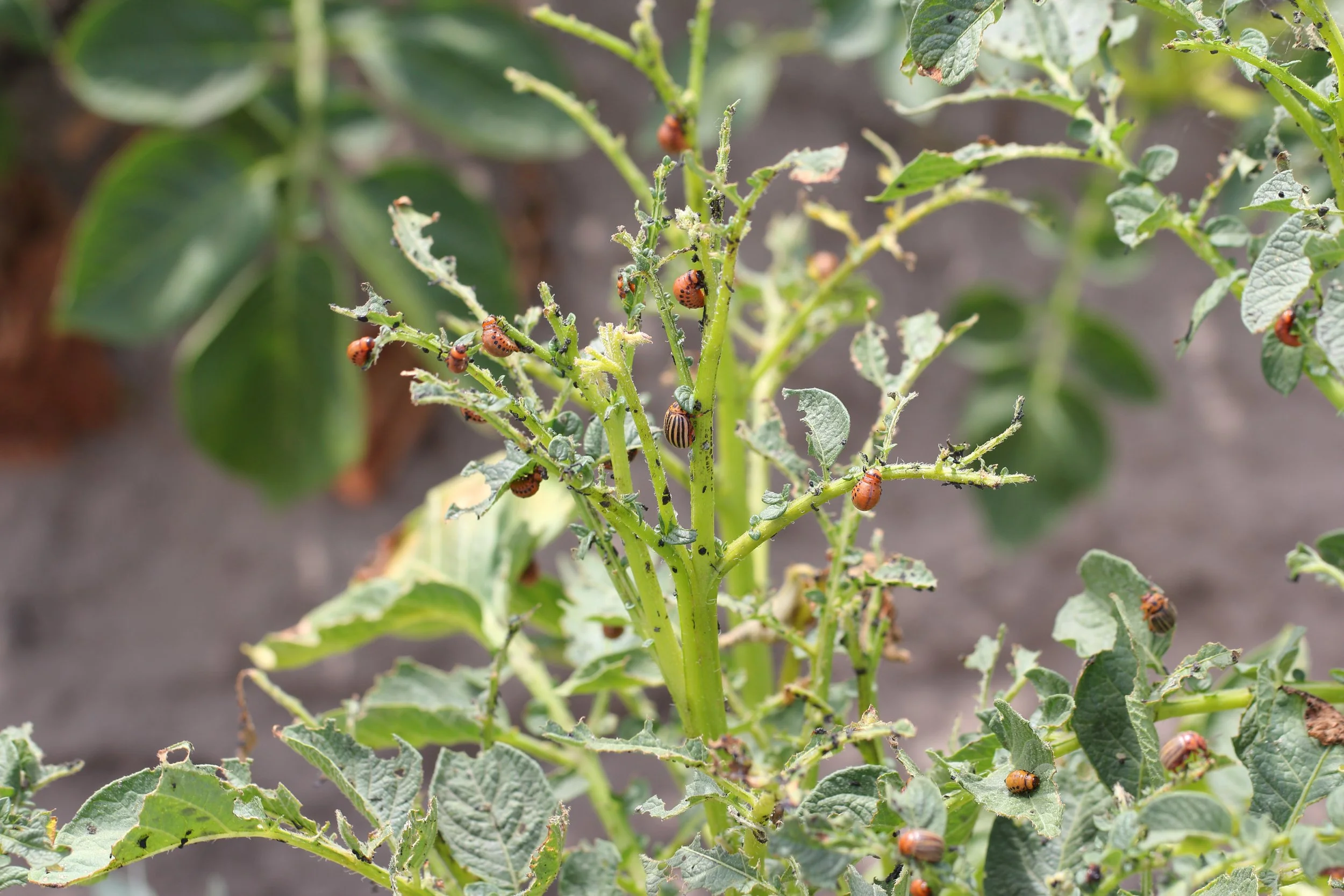
The front line exotic pest profile: Colorado potato beetle
The exotic Colorado potato beetle (Leptinotarsa decemlineata) (CPB) is globally considered one of the most economically damaging pests to the potato industry. CPB is native to North America and widespread. It has hitchhiked its way to Europe and northern Asia, where it has since spread rapidly and established. Read the full article in Issue 13 of PotatoLink magazine.

Can you shock a seed?
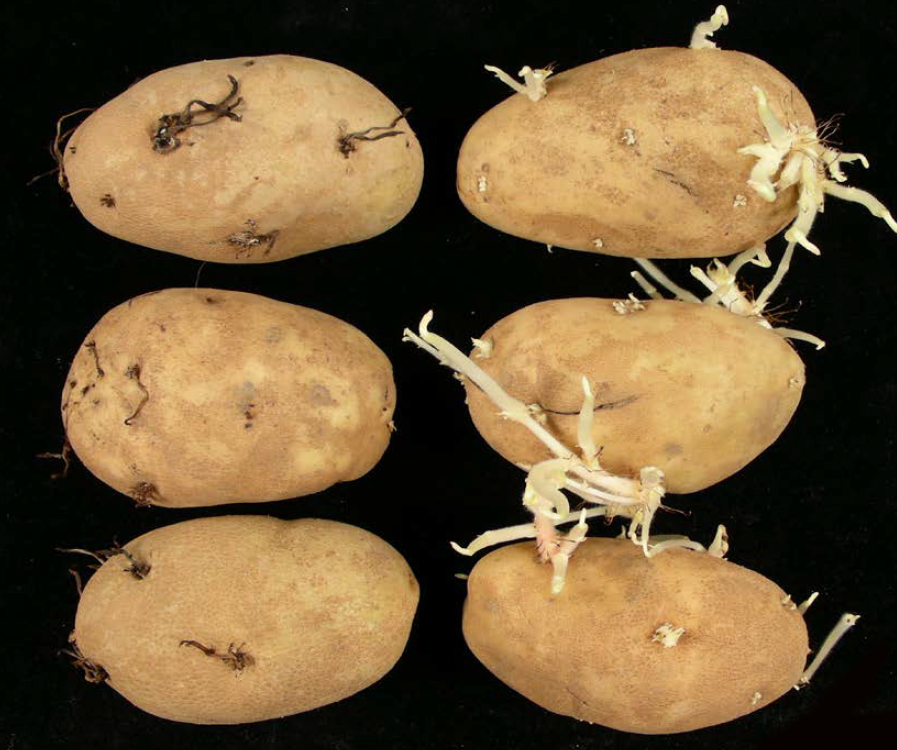
Handling and storing seed correctly is essential to maximise returns on this valuable investment, and avoiding condensation during cooling is critical to minimise the risk of storage diseases. To achieve this, seed potatoes are usually cooled very slowly, dropping only 2oC weekly. In this PotatoLink trial, we tested the effects of three cooling rates. Read the full article in Issue 13 of PotatoLink magazine.