

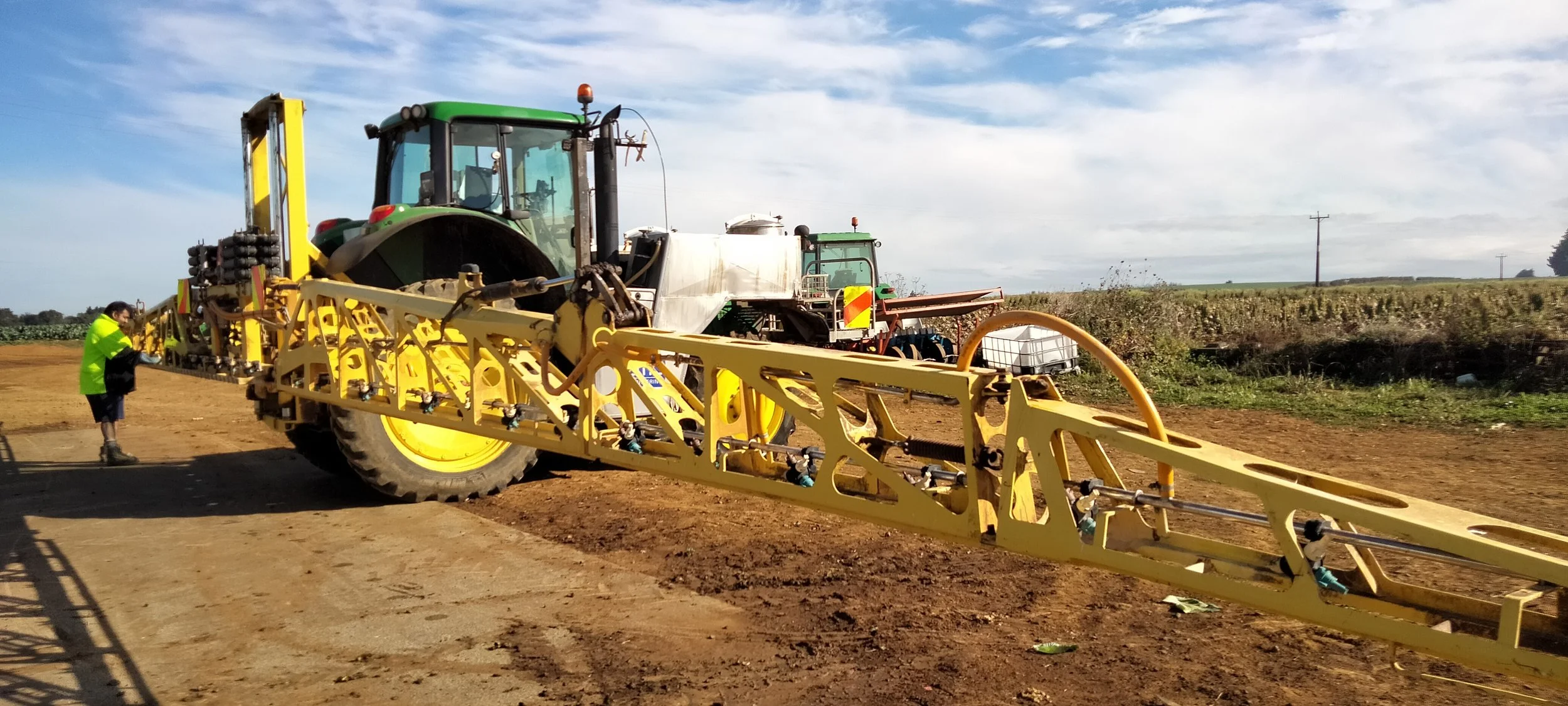




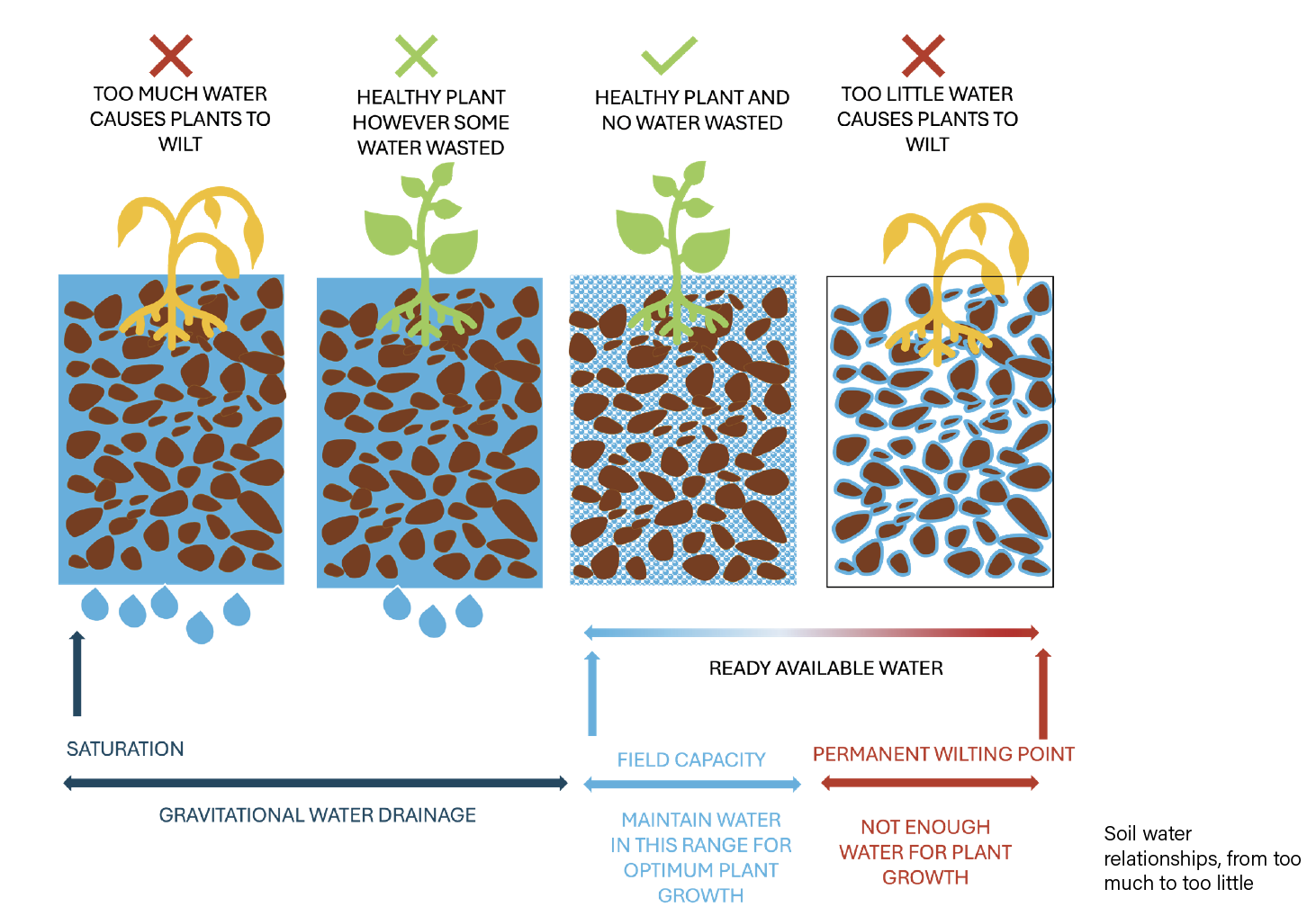
Growing crops in Australia is not for the faint-hearted, especially when it comes to managing water. The challenge lies in the fact that we often have either too little or too much water, and not always at the right time. Farmers cannot rely on gentle, frequent rain to replenish soil water levels; managing water for crops needs deliberate and considered intervention. Read the full article in Issue 13 of PotatoLink Magazine.

Join the PotatoLink team as we speak with Vee Gururajan from HarvestEye and Abe Montano from Elders as they explain the new technological developments that may make accurate, GPS based, yield monitoring an easy activity in potato production.
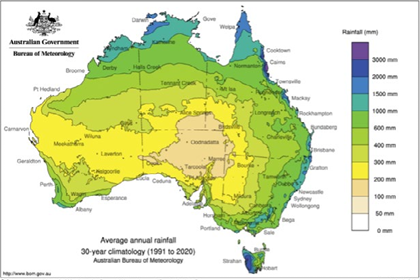
Following a PotatoLink online training webinar with senior members of the Bureau of Meteorology, Paulette Baumgartl has compiled a comprehensive article in Issue 09 of PotatoLink magazine pointing out that behind the weekly temperature and rainfall forecasts, and the much-loved radar, sits an abundance of data, both raw and interpreted. If you know where to look, this data can be a useful decision-making tool.

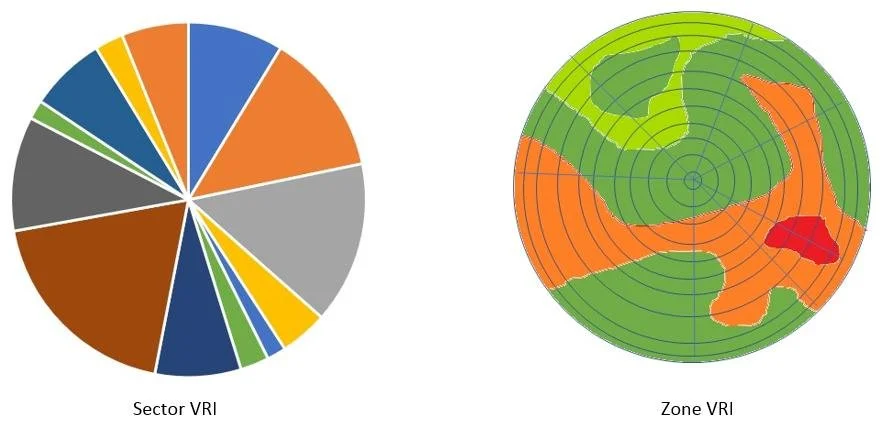
Join the PotatoLink team as we explore mobile drip irrigation in potatoes, where we will delve into the exciting world of this technology. The webinar is targeted to growers interested in learning more about ways to enhance watering efficiency to minimise costs, boost yields, and grow more sustainably.

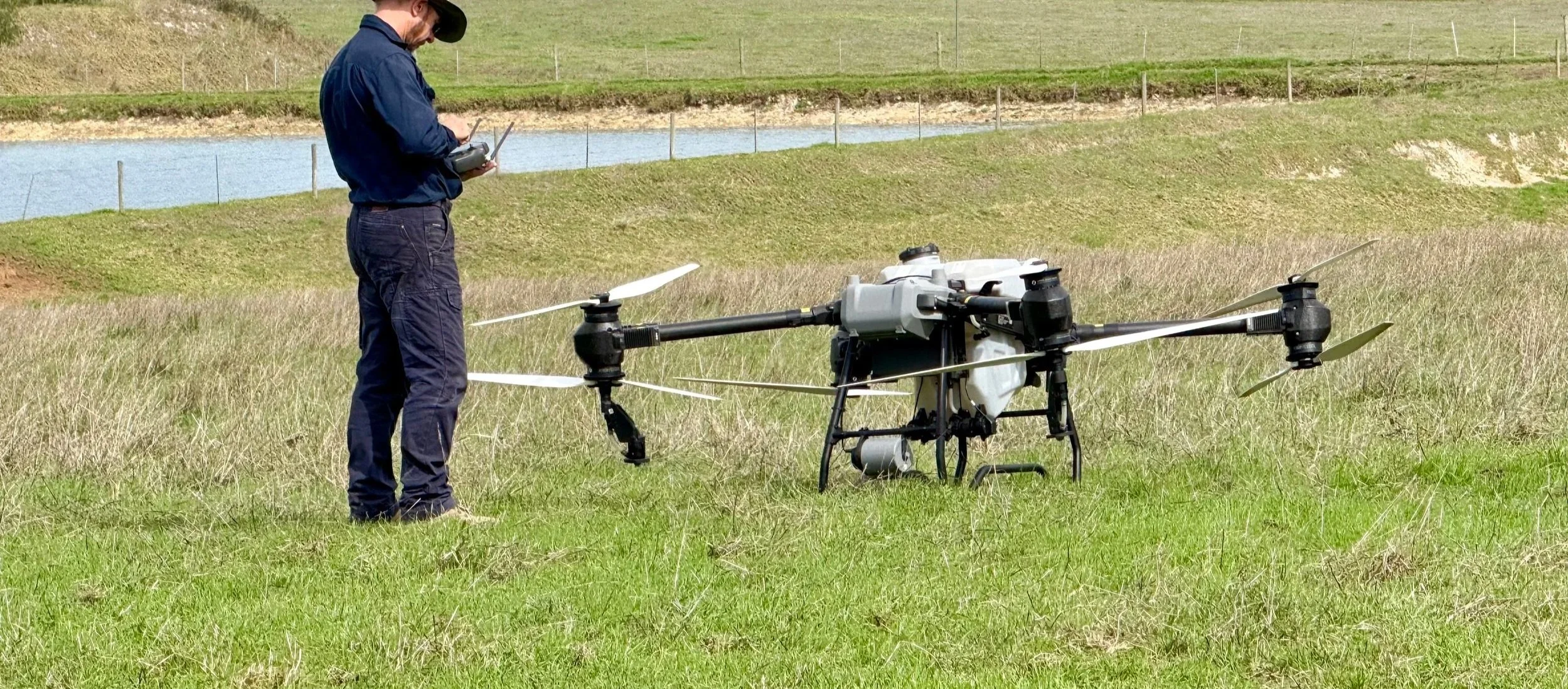
In Issue 06 of PotatoLink magazine, Ryan Hall looks at the accessibility and mobility of technology available to growers in the form of drones, remote sensing and smartphone apps.

Adrian James covers the current state of play of carbon in agriculture, carbon neutral farming and the use of farm carbon calculators. In addition he explores the opportunities in farm carbon offsets.

With a growing interest in the area of soil health and the wide range of products available, this fact sheet explores organic soil amendments, biologicals and biostimulants to help growers understand what these products are and how they work.
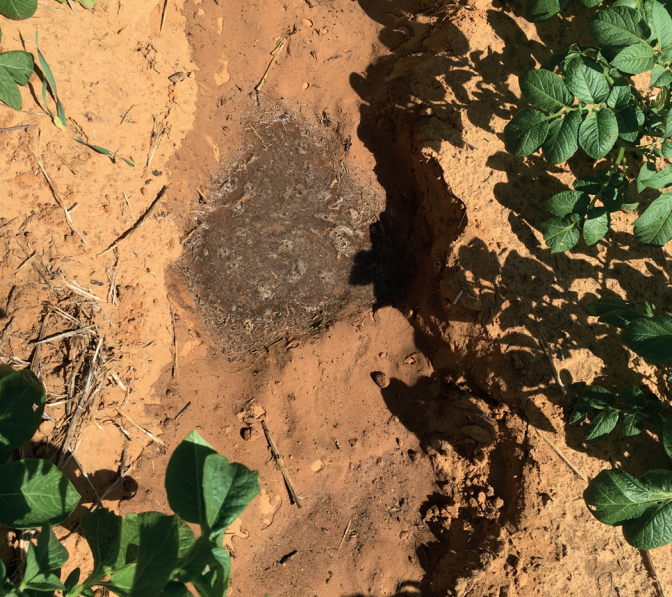
Explore the impact of hydrophobic soils on potato production and options for growers to assist with their management to improve potato yields.

‘Know your salts’ takes an in-depth look at salinity and the salts that affect both plant health and soil structure, and guide potato nutrition.

This first fact sheet outlines the causes of salinity followed by key assessments and tests that will better inform your management decisions.
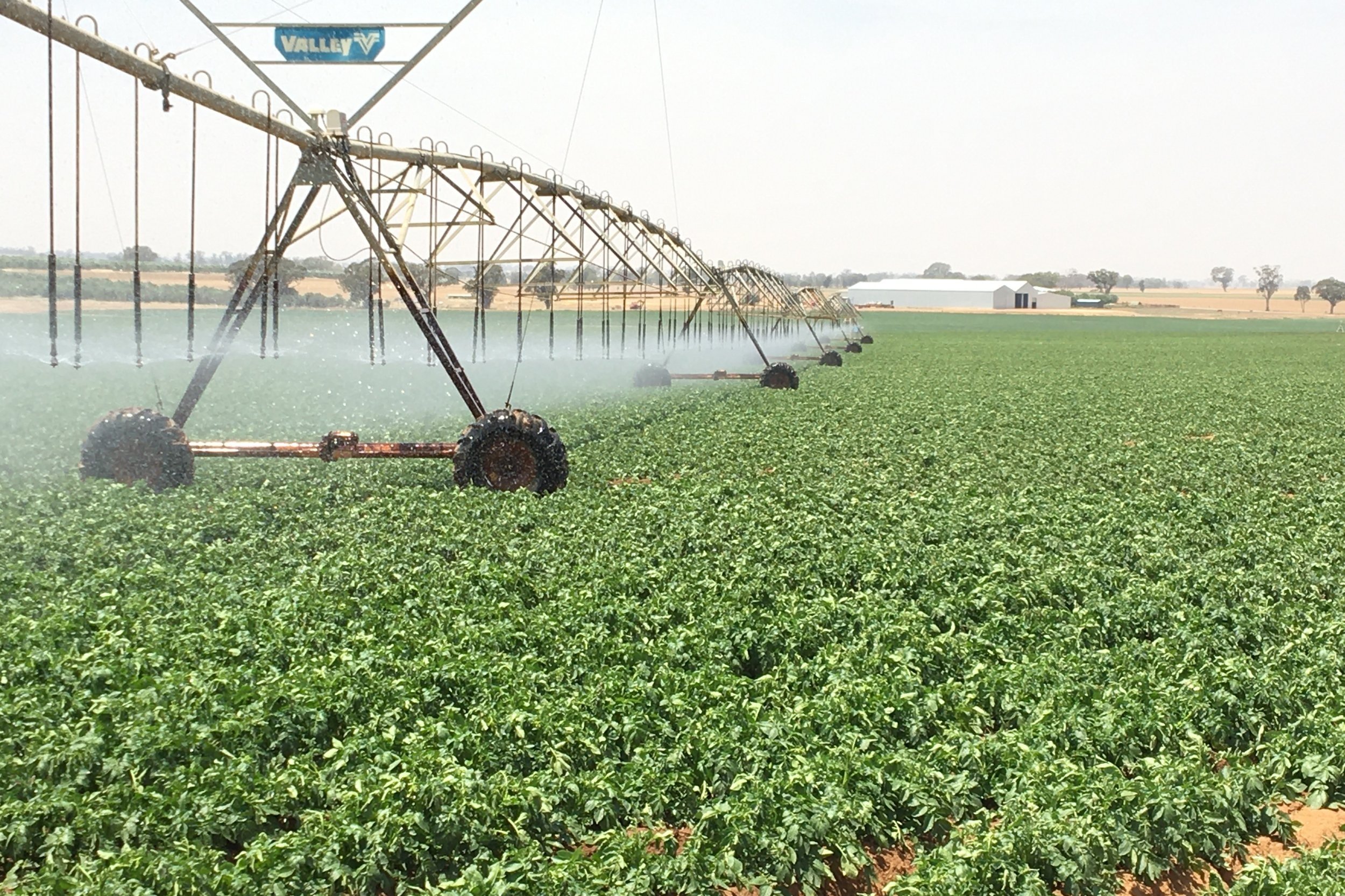
This Serve-Ag project ran from 2016 to 2020 to assess groundwater quality in areas of potato production in South Australia (where groundwater quality is most variable) and investigated how regional and seasonal water-quality variability impacts on potato production and quality.

Using modern sensor technology high levels of data can now be gathered from crops as they grow. This 2016 report explores how this data can be assessed to gain a greater understanding of productivity in different parts of a paddock. This project is a crucial step towards site specific crop management for the potato industry.
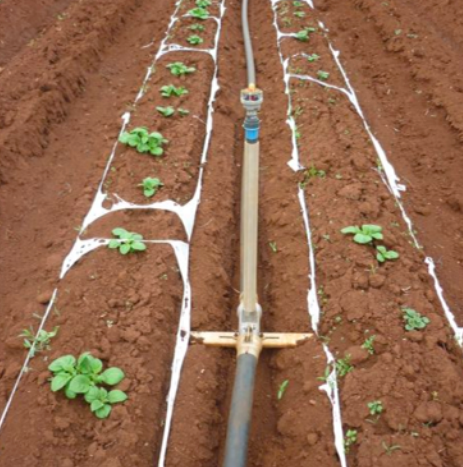
A three-year project in Tasmania was conducted on the potential benefits of using degradable polyethylene films in potato crops. This 2013 report found there was limited benefit to nitrogen fertiliser savings and yield but instead may allow for early harvest and some water saving.