Powdery scab - project update
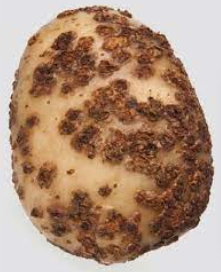
Powdery scab is a devastating pathogen affecting potato growers of Australia causing annual losses estimated to top $13.4 million annually. In issue 07 of PotatoLink magazine, Prof Calum Wilson from Tasmanian Institute of Agriculture reports on his 3-year project — Mechanisms and manipulation or resistance to powdery scab in potato roots.

Petiole testing for nutrient analysis
Petiole sampling and analysis is an effective and simple way to determine the nutrient status of a crop, including diagnosing any deficiencies or toxicities in potato plants. Like any analyses, getting the sampling right is the first step. In this PotatoLink magazine article, learn when to sample, how to sample and how to handle samples.

Blackleg in potatoes
Blackleg is a bacterial infection of potato tubers and stems. While the disease is not widespread in Australia, new causal organisms have been identified over the past few years, warranting industry awareness.


PotatoLink Bulletin December 2022
Summer edition of the PotatoLink magazine, 2023 PotatoLink plans, leadership & scholarship opportunities, and much more.

PotatoLink Bulletin November 2022
New regional representative for Tasmania, upcoming panel session - management under wet conditions, potato funds annual report, and much more.

R&D Forum 2022 Presentations
As part of the 2022 AuSPICA conference in Ballarat, PotatoLink held a research and development forum. It was comprised of Hort Innovation funded projects that are currently running or had just recently been completed.
Mycorrhizal fungi at the Bolwarrah Victorian demonstration site
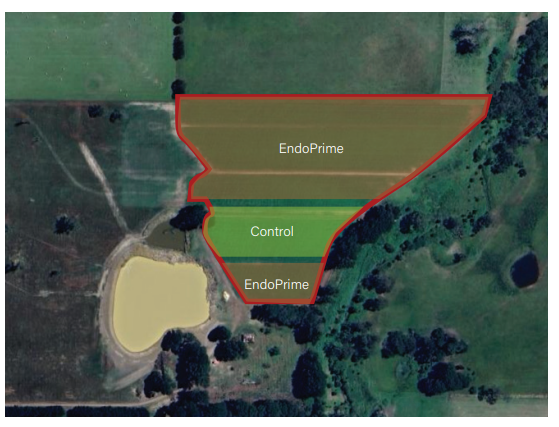
This case study covers the mycorrhizal fungi trials hosted at the Bolwarrah, VIC demonstration site. It covers what the trial was, what happened, and some tips on getting the most out of your mycorrhizal fungi products.

Pink rot with Dr. Robert Tegg
This webinar, delivered by Dr Robert Tegg from the Tasmanian Institute of Agriculture, at The University of Tasmania, focused on pink rot of potatoes. Dr Tegg provided an overview of the pathogen causing pink rot, highlighted the characteristics most favourable for the disease and its symptoms in potatoes.


Rhizoctonia Solani anastomosis groups and their hosts
Rhizoctonia Solani is a fungal pathogen comprised of many species and strains that can cause diseases in vegetable crops such as damping off, root and stem rots, and sometimes leaf blighting or leaf spots. This Soil Wealth & Integrated Crop Protection factsheet outlines the how the pathogen survives, spreads and infects plants.


PotatoLink Bulletin October 2022
The Australian Potato Growers Manual, PotatoLink magazine spring edition, Pink Rot webinar, and much more.

Smart farming using simple tech
In Issue 06 of PotatoLink magazine, Ryan Hall looks at the accessibility and mobility of technology available to growers in the form of drones, remote sensing and smartphone apps.


Potato bruising and management
Bruises develop due to impacts that either break the cells apart (shatter bruise) or rupture the cell membranes (blackspot). The risk of bruises can be reduced. This factsheet covers factors influencing potato bruising and how to manage them.

Technology test drive - CROP.ZONE Integrated weed management
In Issue 02 of PotatoLink magazine, you can read the article on the CROP.ZONE Integrated weed management system used as an alternative to herbicides to terminate potato crops.

Tomato potato pysllid (TPP) and zebra chip
This webinar on tomato potato psyllid (TPP) and zebra chip was delivered by Dr Melinda Moir, senior laboratory scientist in entomology at the Department of Primary Industries and Regional Development (DPIRD), and John Jackson, director of Potatoes New Zealand.

PotatoLink Bulletin September 2022
Potato permits available to growers, La Niña alert, new resources, and much more.
