
Eyes on the world - Recent advances in potato research and innovation
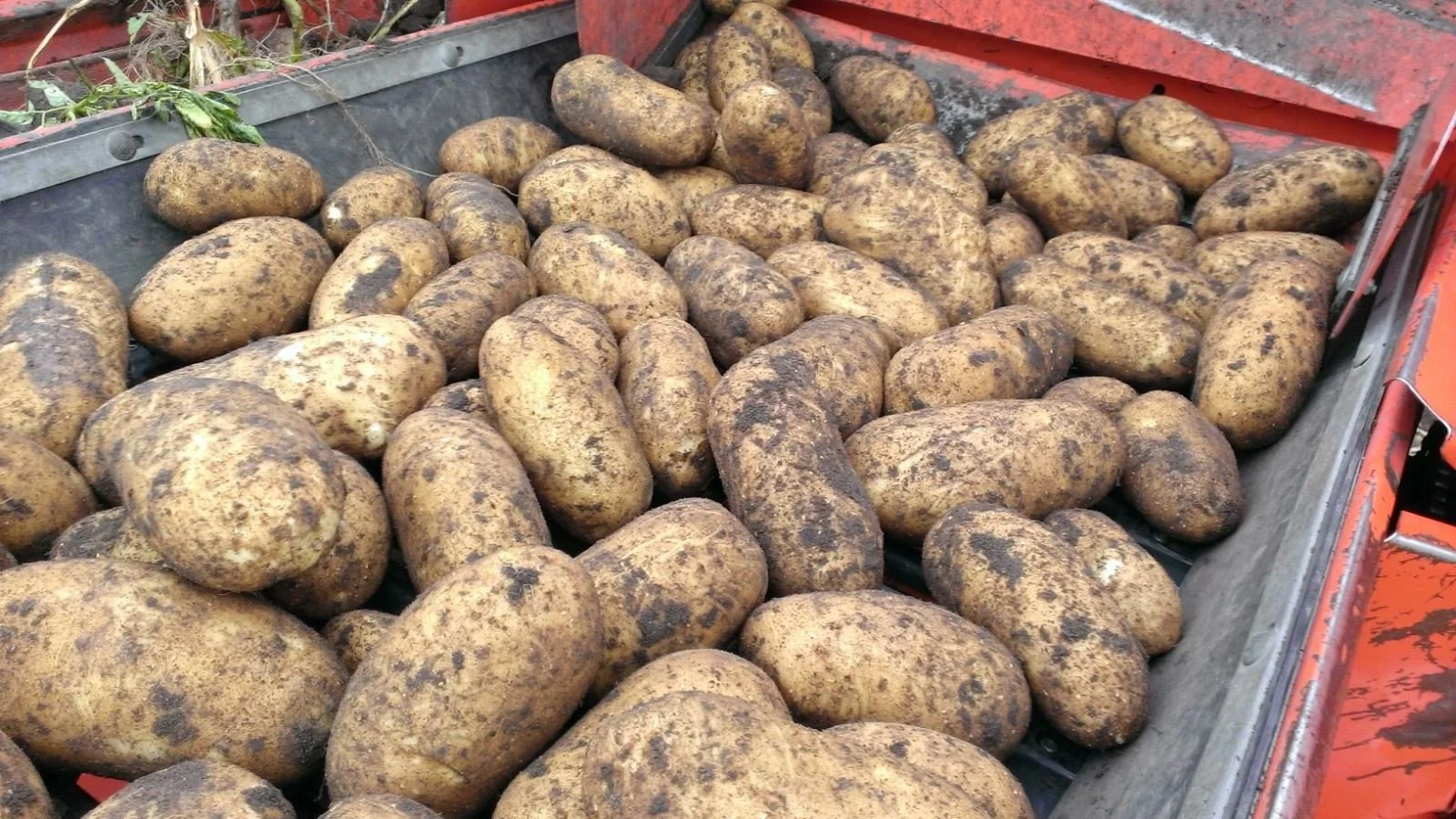
Potatoes with Dakota Russet
Image: PotatoGrower.com
Stored potatoes are alive!
They respond to their environment, battle disease, and maintain the integrity of their internal structure.
These processes are fuelled by respiration; just as we do, they use oxygen to break down stored carbohydrates, generating energy as well as CO2 and water.
Respiration is therefore a window into the metabolic activity happening inside the tuber.
As stored products are cut off from sources of water and nutrients, they are inevitably on the road to death. Measuring respiration can reveal how quickly they are travelling this road. For example, processes that increase respiration rate (like high temperatures and physical damage) also reduce storage life. Conversely, conditions that reduce respiration (such as low temperatures, reduced oxygen and removal of the ripening gas ethylene) increase storage life.
For this reason, respiration is sometimes used as a measure of the effectiveness of storage conditions. Monitoring respiration rates during storage can indicate if physiological disorders are developing, or disease is starting to take hold.