Knowing your seed: Lessons from Cherry Hill Coolstores
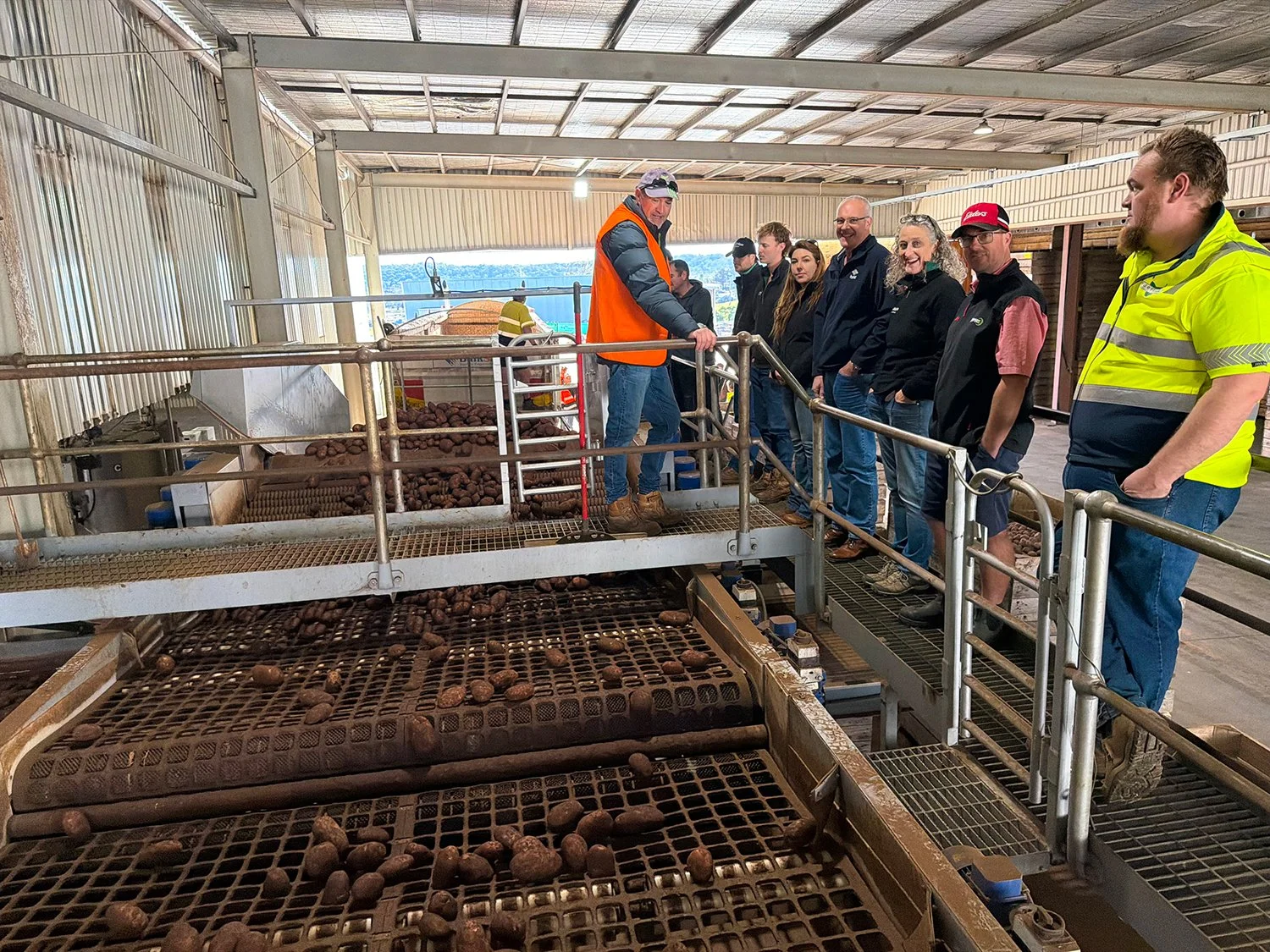
Photo by Rob Salmon
Around 80 growers, advisors, processors, researchers and industry representatives gathered at Cherry Hill Coolstores in Latrobe, Tasmania, for PotatoLink’s recent Getting Seed Right event.
The practical, hands-on day focused on boosting seed potato performance and strengthening seed quality across the supply chain.
Combining a site tour, expert presentations and an interactive panel discussion, the program explored the key processes, risks and best-practice approaches that influence seed quality from production through to planting.
Conor O'Doherty (General Manager) and Kurt Norris (Assistant Manager) from Cherry Hill Coolstores guided attendees through the facility, showcasing its receival, grading, cutting and cool storage operations.
Established in 1990, the business now operates 16 coolstores and three large dry storage areas, with capacity to handle up to 15,000 tonnes of seed potatoes annually.
The tour provided valuable insight into the infrastructure, systems and decision-making required to manage seed at scale. Seeing these processes firsthand reinforced the critical role of careful handling, hygiene, communication and environmental control in delivering high-quality seed.
The technical part of the program featured presentations from a range of specialists, each bringing a distinct perspective on seed quality.
Doug Clarke from TasSeed clarified the seed certification process, explaining how certified seed provides growers with greater confidence in crop performance and disease management.
Nathan Tivendale from the Tasmanian Institute of Agriculture (TIA) explored the concept of physiological age, sparking discussion around seed condition, timing and cutting decisions, and their impact on crop establishment and yield potential.
Rounding out the presentations, Wayne Richardson from Syngenta and Andrew Wardle from Campbells Chemicals examined seed treatments in storage, providing an overview of the tools and strategies available to help protect seed health during storage.
Perspectives across the supply chain
Frank Mulcahy, Rachel Gill and Nathan Daly joined Doug Clarke and Conor O'Doherty for a panel discussion, which highlighted the value of seeing the entire process from different perspectives. The conversation reinforced that seed quality is not the responsibility of any single part of the chain; it requires awareness, communication and shared accountability from storage through to sowing.
Participants reported stronger awareness of the importance of knowing the provenance of their seed, the value of using certified seed, and the need to monitor handling at every stage.
Industry updates
The event was a great opportunity for growers and industry members to hear broader sector updates.
Prof Calum Wilson provided an overview of the Integrated Disease Management program, while Robert Salmon spoke about the work and direction of the newly-established Potatoes Tasmania, both areas of significance for the industry's long-term resilience and coordination.
Looking ahead
"To have so many people from across the industry in the one room made for a really valuable day of shared learning and connection," Seona Findlay said.
"Based on the response on the day, we'd love to have similar events run in other locations and keep the conversation going on the priority topics that were raised," Seona added.
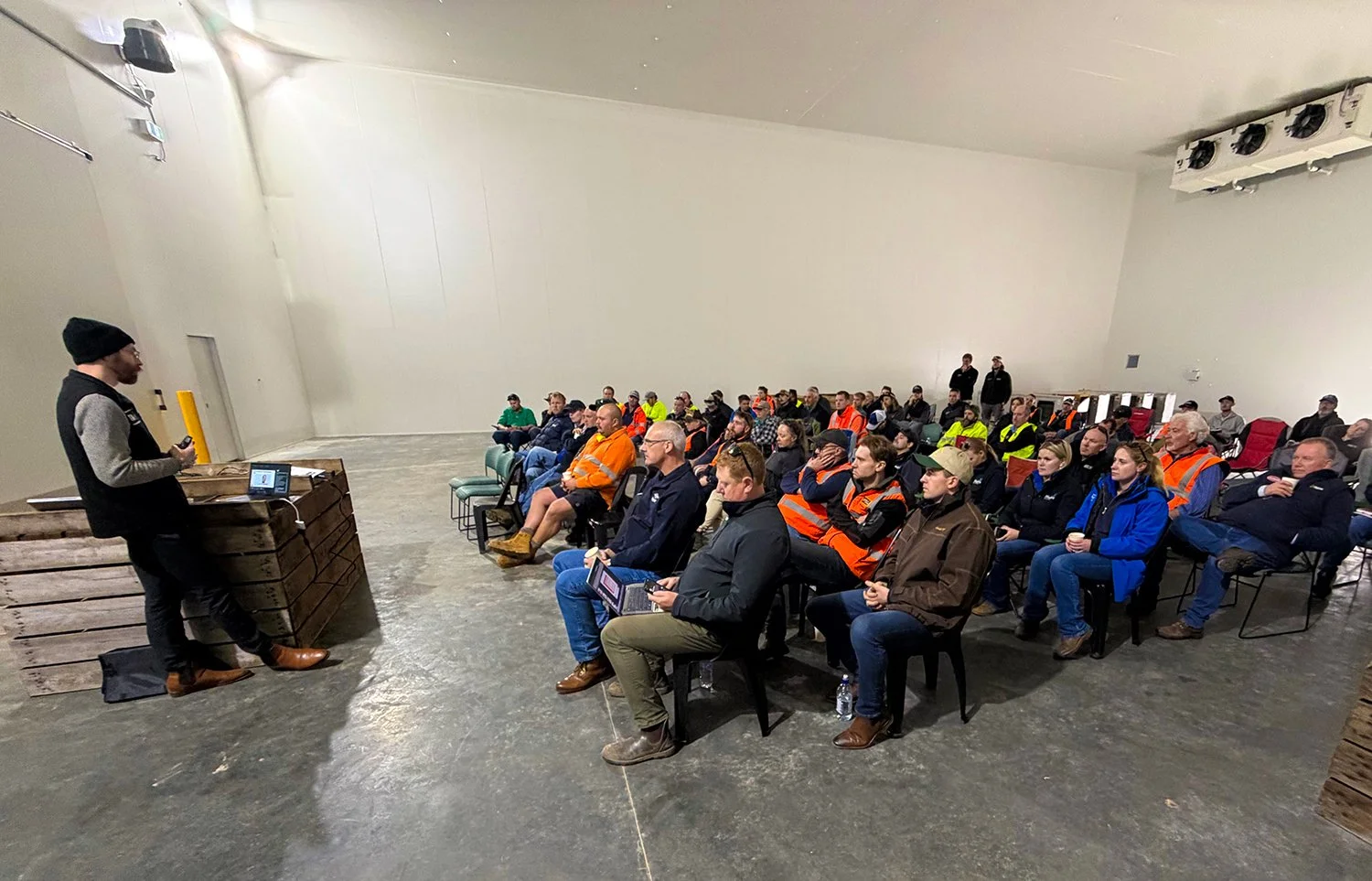
Photo by Rob Salmon
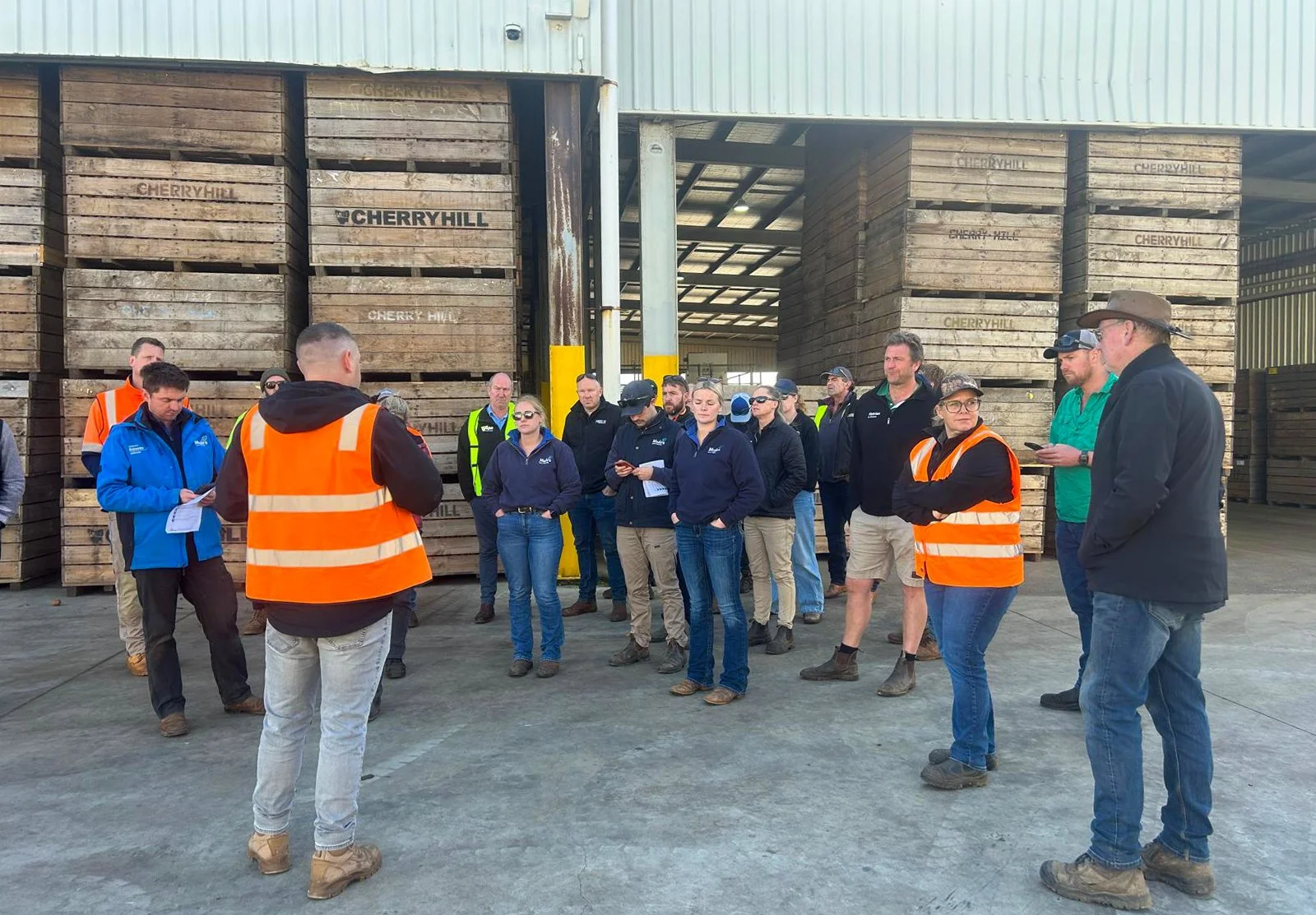
Photo by PotatoLink
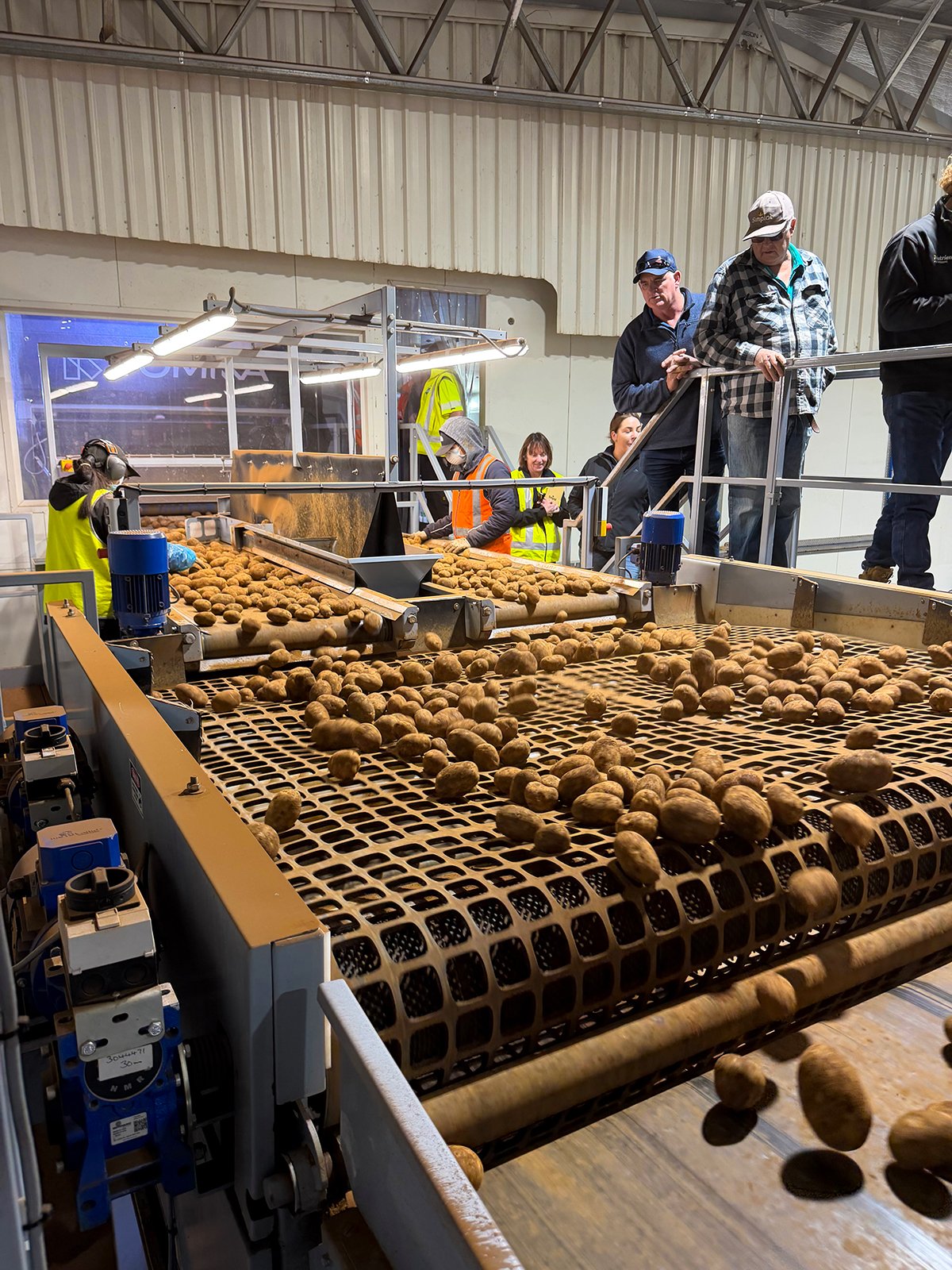
Photo by Rob Salmon
